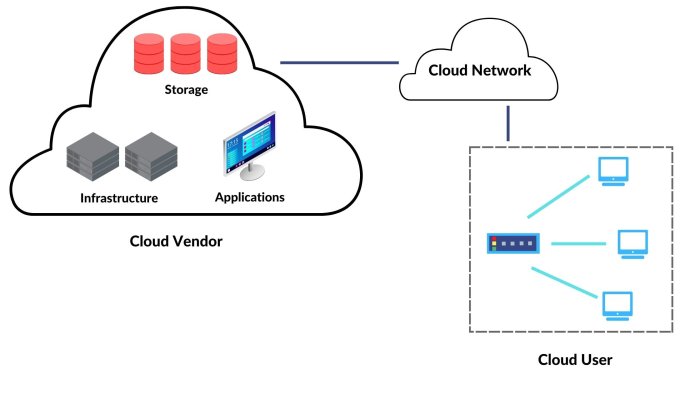
With Cloud-Based Networking Solutions at the forefront, this paragraph opens a window to an amazing start and intrigue, inviting readers to embark on a storytelling journey filled with unexpected twists and insights.
Cloud-Based Networking Solutions have reshaped the way businesses connect and communicate, offering a flexible and efficient approach to networking in the digital age. In this comprehensive guide, we will explore the key components, benefits, and implementation aspects of cloud-based networking solutions, shedding light on their significance in today’s tech landscape.
Cloud-Based Networking Solutions
Cloud-based networking solutions refer to networking services and infrastructure that are hosted in the cloud, allowing organizations to access and manage their networking resources remotely over the internet. These solutions provide flexibility, scalability, and cost-effectiveness compared to traditional on-premises networking setups.
Examples of Popular Cloud-Based Networking Solutions
- Amazon Web Services (AWS) Virtual Private Cloud (VPC)
- Microsoft Azure Virtual Network
- Google Cloud Virtual Private Cloud (VPC)
Benefits of Utilizing Cloud-Based Networking Solutions
- Scalability: Easily scale up or down based on demand without physical infrastructure constraints.
- Cost-Effectiveness: Pay for what you use, reducing upfront costs and maintenance expenses.
- Flexibility: Access networking resources from anywhere with an internet connection.
- Security: Enhanced security features and data encryption provided by cloud service providers.
Comparison with Traditional Networking Solutions
Traditional networking solutions involve physical hardware and on-premises infrastructure that require maintenance, upgrades, and limited scalability. In contrast, cloud-based networking solutions offer virtualized networking resources that can be managed centrally, providing greater agility, scalability, and cost savings for organizations.
Components of Cloud-Based Networking Solutions
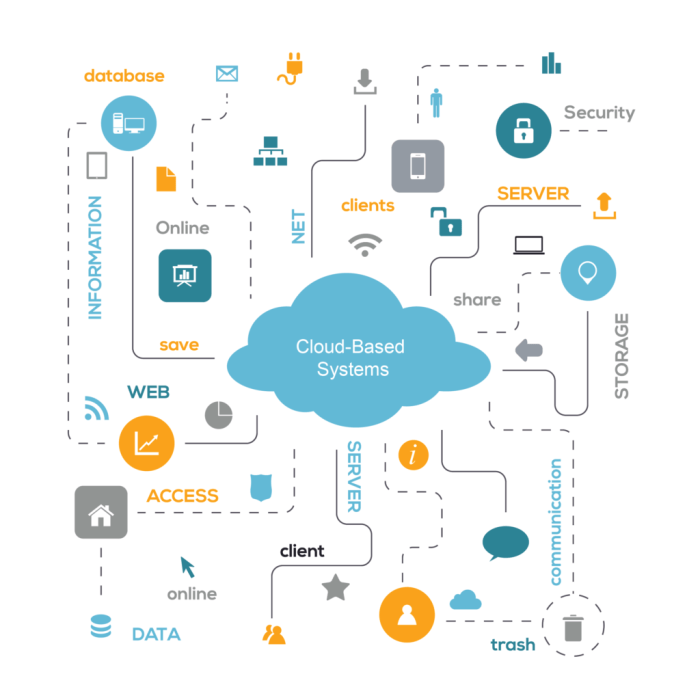
Cloud-based networking solutions consist of various key components that work together to provide efficient and scalable networking services. These components play a crucial role in enabling organizations to leverage the benefits of cloud computing and streamline their networking operations.
Software-Defined Networking (SDN)
Software-Defined Networking (SDN) is a key component of cloud-based networking solutions. SDN separates the network control plane from the data plane, allowing for centralized control of network resources. By decoupling the control logic from the physical infrastructure, SDN enables dynamic network configuration and management, leading to greater flexibility and agility in network operations.
- SDN controllers: Centralized software platforms that manage and control network devices.
- SDN switches: Programmable network devices that forward traffic based on instructions from the SDN controller.
- SDN applications: Software applications that leverage the programmability of SDN to implement network services and policies.
Virtualization
Virtualization is another essential component of cloud-based networking solutions. By abstracting physical network resources and creating virtual instances of networks, servers, storage, and other infrastructure components, virtualization enables the efficient utilization of resources and the rapid deployment of network services.
- Virtual networks: Segmented network environments created within a shared physical infrastructure to provide isolation and flexibility.
- Virtual machines (VMs): Software-based instances of physical servers that can run multiple operating systems and applications.
- Network functions virtualization (NFV): Virtualizing network services such as firewalls, load balancers, and routers to improve scalability and resource utilization.
Security Features
Security is a paramount concern in cloud-based networking solutions. Implementing robust security features is essential to protect sensitive data, prevent unauthorized access, and ensure the integrity and availability of network resources.
- Firewalls: Security devices that monitor and control incoming and outgoing network traffic based on predefined security rules.
- Encryption: Securing data in transit by encoding it in a way that only authorized parties can access and decipher.
- Intrusion detection and prevention systems (IDPS): Monitoring network traffic for suspicious activity and blocking or alerting on potential security threats.
Implementation of Cloud-Based Networking Solutions
Implementing cloud-based networking solutions involves several key steps to ensure a successful deployment. From planning and setup to configuration and monitoring, each phase plays a crucial role in the overall implementation process. Let’s delve into the details of how organizations can effectively implement cloud-based networking solutions.
Steps Involved in Implementing Cloud-Based Networking Solutions:
- 1. Planning Phase: This initial stage involves assessing the organization’s networking needs, defining objectives, and outlining the desired outcomes of the cloud-based networking solution.
- 2. Setup and Configuration: Once the planning phase is complete, organizations need to set up the cloud-based networking infrastructure, including creating virtual networks, configuring security settings, and integrating with existing systems.
- 3. Testing and Optimization: After the setup is done, thorough testing and optimization are essential to ensure the network functions as intended, identifying and resolving any issues or bottlenecks.
- 4. Training and Documentation: Providing training for IT staff and end-users on how to use the cloud-based networking solution effectively is crucial for successful implementation. Documentation of configurations and processes is also key for future reference.
- 5. Monitoring and Maintenance: Continuous monitoring of the network performance, security, and scalability is essential post-implementation. Regular maintenance and updates help keep the cloud-based networking solution running smoothly.
Best Practices for Setting Up and Configuring Cloud-Based Networking Solutions:
- • Follow a well-defined architecture and design for the network to ensure scalability and flexibility.
- • Implement robust security measures, such as encryption, access controls, and multi-factor authentication, to protect data and resources.
- • Automate routine tasks and processes to streamline network management and improve efficiency.
- • Regularly review and update network configurations to adapt to changing business needs and technological advancements.
Common Challenges Faced During the Implementation of Cloud-Based Networking Solutions:
- • Integration with legacy systems and applications can be complex and may require custom development or workarounds.
- • Ensuring data security and compliance with regulatory requirements poses a significant challenge in cloud-based networking environments.
- • Scalability issues may arise if the network architecture is not designed to accommodate growth and increased traffic.
Examples of Successful Implementations of Cloud-Based Networking Solutions:
- • Company A implemented a cloud-based SD-WAN solution, resulting in improved network performance, reduced costs, and enhanced security for remote offices.
- • Organization B migrated its on-premises data center to a cloud-based network infrastructure, enabling greater agility, scalability, and disaster recovery capabilities.
Network Solutions
Network solutions in the context of IT infrastructure refer to the various technologies and services that facilitate connectivity and communication within an organization’s network.
Types of Network Solutions
- Wired Network Solutions: These include Ethernet and fiber optic technologies that provide reliable and high-speed connectivity.
- Wireless Network Solutions: Wi-Fi and cellular networks that enable mobile connectivity and flexibility.
- Virtual Private Network (VPN): Securely connects remote users or branch offices to the main network over the internet.
- Software-Defined Networking (SDN): Offers centralized control and programmability of network infrastructure.
Role of Network Solutions
Network solutions play a crucial role in enabling connectivity and communication by ensuring data transmission, resource sharing, and access to applications across various devices within the network.
Considerations for Choosing Network Solutions
- Scalability: The network solution should be able to accommodate the organization’s growth and increasing demands.
- Security: Prioritize solutions with robust security features to protect data and sensitive information.
- Reliability: Choose solutions that offer high availability and minimal downtime to ensure continuous operations.
- Cost-effectiveness: Evaluate the total cost of ownership, including maintenance and upgrade expenses, to determine the most cost-efficient solution.
In conclusion, Cloud-Based Networking Solutions stand as a beacon of innovation, providing a scalable and secure framework for modern connectivity needs. By embracing these solutions, businesses can enhance their operations, streamline processes, and stay ahead in the dynamic realm of networking technology. Dive into the world of cloud-based networking solutions and unlock a realm of possibilities for your organization’s digital journey.
Essential Questionnaire
What are the key benefits of Cloud-Based Networking Solutions?
Cloud-Based Networking Solutions offer scalability, flexibility, cost-efficiency, and enhanced security compared to traditional networking solutions.
How is virtualization utilized in Cloud-Based Networking Solutions?
Virtualization allows for the creation of virtual networks, helping in resource optimization and efficient network management within cloud-based solutions.
What are the common challenges faced during the implementation of Cloud-Based Networking Solutions?
Common challenges include integration complexities, security concerns, and ensuring seamless connectivity across distributed networks.
How do Cloud-Based Networking Solutions differ from traditional networking solutions?
Cloud-Based Networking Solutions leverage virtualization, software-defined networking, and scalable cloud infrastructure, offering more agility and adaptability than traditional setups.