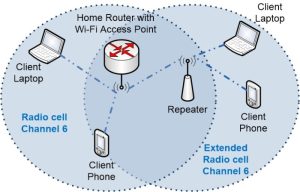
The world runs on connectivity, and wireless networking is at its heart. From the convenience of home Wi-Fi to the complex infrastructure of large corporations, understanding wireless networks is crucial in today’s digital landscape. This guide delves into the various technologies, security considerations, design principles, and troubleshooting techniques essential for effective wireless networking solutions. We’ll explore different wireless technologies, comparing their strengths and weaknesses to help you choose the best fit for your needs, whether it’s a simple home setup or a large-scale enterprise deployment.
We will cover a wide range of topics, from the fundamental differences between Wi-Fi, Bluetooth, and Zigbee to the complexities of network security and the practical aspects of network design and implementation. We aim to provide a clear and comprehensive understanding, empowering you to navigate the world of wireless networking with confidence.
Types of Wireless Networking Solutions
Wireless networking has revolutionized how we connect devices, offering flexibility and convenience across various applications. Understanding the different types of wireless technologies and their respective strengths and weaknesses is crucial for selecting the optimal solution for specific needs. This section details several prominent wireless networking technologies and compares their characteristics.
Comparison of Wireless Networking Technologies
The following table compares Wi-Fi, Bluetooth, Zigbee, and cellular technologies based on range, data rate, and typical applications. Each technology offers a unique set of capabilities, making them suitable for different use cases.
| Technology | Range | Data Rate | Applications |
|---|---|---|---|
| Wi-Fi (802.11) | Up to several hundred meters (depending on standards and environmental factors) | Varies greatly depending on standard (e.g., 6 Mbps to several Gbps) | Home networking, office networking, public Wi-Fi hotspots, Internet access for laptops, smartphones, and IoT devices |
| Bluetooth | Up to 10 meters (depending on class and environmental factors) | Up to several Mbps | Connecting peripherals (keyboards, mice, headphones), short-range device communication, wearable technology, car infotainment systems |
| Zigbee | Up to several hundred meters (depending on network configuration and environmental factors) | 250 Kbps to 250 Mbps | Home automation, industrial control systems, sensor networks, smart home devices |
| Cellular (e.g., 4G LTE, 5G) | Wide area coverage (cell towers provide extensive reach) | Varies greatly depending on network conditions and technology (e.g., several Mbps to several Gbps) | Mobile internet access for smartphones, tablets, and other mobile devices, machine-to-machine communication (M2M), IoT applications requiring wide-area coverage |
Advantages and Disadvantages of Wireless Technologies
Each wireless technology presents its own set of advantages and disadvantages. These factors are critical considerations when choosing a solution.
Wi-Fi: Advantages include relatively high data rates, wide availability, and established infrastructure. Disadvantages include security vulnerabilities (if not properly configured), susceptibility to interference, and power consumption. For instance, a poorly secured home Wi-Fi network could be easily compromised, while interference from other devices can significantly reduce speed and reliability.
Bluetooth: Advantages include low power consumption, ease of use, and short-range security. Disadvantages include limited range and relatively low data rates. Consider a Bluetooth-enabled heart rate monitor – its low power consumption is vital for battery life, but the short range means it needs to be close to the receiving device.
Zigbee: Advantages include low power consumption, scalability, and robust mesh networking capabilities. Disadvantages include lower data rates compared to Wi-Fi and limited range. A smart home system using Zigbee benefits from its low power consumption, enabling numerous sensors and actuators to operate on batteries for extended periods.
Cellular: Advantages include wide-area coverage and high data rates (especially with 5G). Disadvantages include higher cost, potential for roaming charges, and reliance on cellular infrastructure. A fleet of delivery trucks using cellular connectivity for tracking and communication benefits from the wide coverage, but incurs costs associated with data plans and potential roaming fees.
Comparison of Wireless Network Topologies
Different network topologies offer varying levels of resilience, scalability, and complexity. The choice depends on the specific requirements of the network.
| Topology | Strengths | Weaknesses | Suitable Scenarios |
|---|---|---|---|
| Mesh Networking | High reliability, self-healing, scalability | Increased complexity, higher cost | Large-scale sensor networks, smart city applications, robust home networks |
| Star Topology | Simple to implement, easy to manage, centralized control | Single point of failure, limited scalability | Small home networks, office networks with a central access point |
| Point-to-Point | High bandwidth, dedicated link, secure communication | Limited scalability, expensive for large networks | Connecting two buildings, providing high-speed internet access to a remote location |
Troubleshooting Wireless Network Issues
Maintaining a reliable and high-performing wireless network is crucial for smooth operation. Troubleshooting effectively involves understanding common problems and employing systematic diagnostic techniques. This section will address common issues, their causes, and practical solutions.
Identifying and Resolving Slow Wireless Network Speeds
Slow wireless speeds significantly impact productivity and user experience. Several factors can contribute to this problem. The following table Artikels common causes and their corresponding solutions.
| Problem | Solution |
|---|---|
| Weak Signal Strength | Relocate the router to a central location, minimizing obstructions. Consider using a signal booster or extender to improve coverage in weak areas. Check for interference from other devices operating on the 2.4 GHz or 5 GHz bands. |
| Network Congestion | Limit the number of devices connected simultaneously. Prioritize bandwidth-intensive applications. Consider upgrading to a router with higher bandwidth capacity. Implement Quality of Service (QoS) settings to prioritize specific traffic types. |
| Interference from Other Devices | Identify and relocate sources of interference, such as microwaves, cordless phones, and Bluetooth devices. Change the Wi-Fi channel on your router to reduce overlap with neighboring networks. Consider using the 5 GHz band, which is less congested than the 2.4 GHz band. |
| Outdated Router Firmware | Check your router manufacturer’s website for firmware updates and install the latest version. Updated firmware often includes performance enhancements and bug fixes. |
| Hardware Limitations | Consider upgrading your router to a model with faster processing speeds and more advanced features. Ensure your wireless adapter is compatible with the router’s standards (e.g., 802.11ac or 802.11ax). |
Diagnosing and Resolving Connectivity Problems
Connectivity problems manifest in various ways, from intermittent drops to complete inability to connect. Effective diagnosis involves systematically investigating potential causes.Signal strength issues are often the primary culprit. Low signal strength can be identified using the signal strength indicator on your device or through network monitoring tools. Solutions include repositioning the router, using a signal extender, or upgrading to a higher-gain antenna.Interference from other electronic devices can disrupt wireless signals.
This interference can manifest as slow speeds, dropped connections, or unreliable performance. Identifying and mitigating interference sources is crucial for restoring network stability.Driver conflicts can also prevent proper connectivity. Outdated or corrupted wireless drivers can lead to connection failures or performance issues. Updating drivers to the latest versions from the manufacturer’s website is a common solution.
Using Network Monitoring Tools to Identify Bottlenecks
Network monitoring tools provide valuable insights into network performance. These tools can identify bottlenecks, pinpoint areas of congestion, and reveal the root causes of performance issues. Examples of such tools include Wireshark (for deep packet inspection), SolarWinds Network Performance Monitor, and PRTG Network Monitor. These tools provide detailed information on bandwidth usage, latency, packet loss, and other key metrics, enabling administrators to effectively troubleshoot and optimize network performance.
By analyzing this data, network administrators can identify specific devices or applications consuming excessive bandwidth, allowing for targeted optimization strategies.
Networking Solutions (Broader Perspective)
Effective networking is crucial for modern businesses and individuals, enabling seamless communication and data sharing. Understanding the differences between wired and wireless solutions, as well as the role of network management, is essential for building a robust and reliable network infrastructure. This section will compare wired and wireless networks, explore network management systems, and detail common networking hardware components.
Wired Versus Wireless Networking Solutions
Choosing between wired and wireless networking depends heavily on the specific needs and priorities of the user or organization. Both offer distinct advantages and disadvantages.
- Cost: Wired networks generally have lower initial setup costs, as cabling is often cheaper than installing wireless access points. However, the cost of running cables can increase significantly in larger spaces or buildings. Wireless networks might have a lower initial cost for small setups, but ongoing maintenance and potential upgrades to hardware can become expensive over time.
- Performance: Wired connections consistently offer superior performance in terms of speed and reliability due to their dedicated physical connection. Wireless networks are susceptible to interference from other devices and environmental factors, leading to fluctuations in speed and potential dropouts. Wired connections provide higher bandwidth and lower latency, making them ideal for applications requiring high data throughput, such as video streaming or online gaming.
- Security: Wired networks generally offer better security than wireless networks because they are less vulnerable to unauthorized access. Wireless networks, especially those using unsecured protocols, are more susceptible to eavesdropping and hacking. Strong encryption protocols are crucial for wireless security, but this adds complexity and may impact performance.
Network Management Systems
Network management systems (NMS) play a vital role in monitoring and maintaining both wired and wireless networks. These systems provide centralized control, allowing administrators to monitor network performance, identify and troubleshoot problems, and manage network resources effectively. Features often include performance monitoring (bandwidth usage, latency), security monitoring (intrusion detection, access control), and automated fault management. Effective NMS allows for proactive maintenance, reducing downtime and ensuring network stability.
Examples of NMS software include SolarWinds Network Performance Monitor, PRTG Network Monitor, and Nagios.
Networking Hardware Components
Various hardware components work together to create a functional network. Understanding their roles is crucial for effective network design and troubleshooting.
| Component | Function | Wired/Wireless | Example Vendor |
|---|---|---|---|
| Router | Connects different networks, routing data packets between them. | Both | Cisco, Netgear, TP-Link |
| Switch | Forwards data packets within a local network, connecting devices to each other. | Wired | Cisco, Netgear, HP |
| Access Point (AP) | Provides wireless connectivity to devices, allowing them to connect to a wired network. | Wireless | Cisco, Aruba, Ubiquiti |
Successfully implementing and maintaining a robust wireless network requires a multifaceted approach. Understanding the various technologies available, prioritizing security measures, and mastering troubleshooting techniques are crucial for optimal performance and reliability. By carefully considering the factors discussed in this guide—from selecting the appropriate technology and securing your network to designing for optimal coverage and troubleshooting common issues—you can build a wireless network that meets your specific needs and enhances your overall connectivity experience.
The insights provided here should serve as a valuable resource, empowering you to confidently address the challenges and opportunities presented by the ever-evolving world of wireless networking.
FAQ Summary
What is the difference between WPA2 and WPA3?
WPA2 uses the older TKIP and AES encryption protocols, while WPA3 offers improved security with stronger encryption and enhanced protection against dictionary attacks.
How can I improve my Wi-Fi signal strength?
Consider relocating your router to a central location, optimizing channel selection to minimize interference, and upgrading to a more powerful router or adding a Wi-Fi extender.
What are the best practices for choosing a wireless router?
Look for a router with a good range, strong security features (WPA3), sufficient bandwidth for your needs, and user-friendly interface.
How often should I change my wireless network password?
It’s recommended to change your wireless password at least every three months, or more frequently if you suspect a security breach.