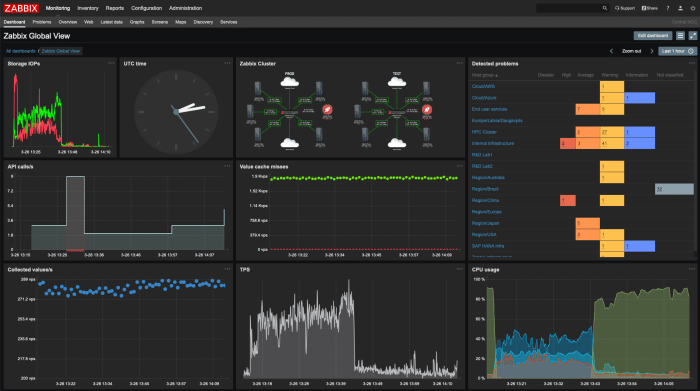
Embark on a journey into the realm of Network Monitoring Solutions, where the key to maintaining a secure network infrastructure lies in harnessing advanced monitoring tools and techniques.
Explore the different types, features, and implementation strategies that play a crucial role in ensuring the efficiency and security of network operations.
Introduction to Network Monitoring Solutions
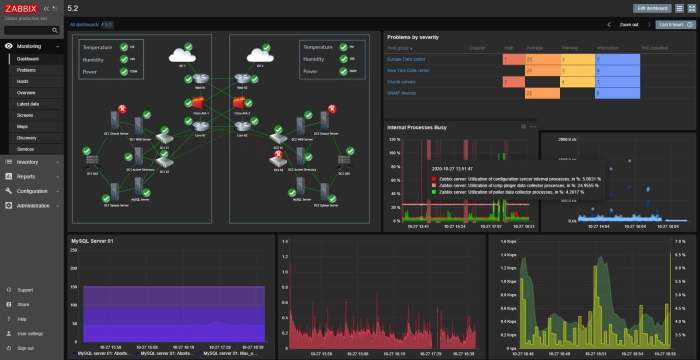
Network monitoring solutions refer to the tools and technologies used to oversee the performance and health of a network infrastructure. These solutions are crucial for businesses and organizations to ensure the reliability, availability, and security of their network systems.
Importance of Implementing Network Monitoring Solutions
Implementing network monitoring solutions is essential for several reasons:
- Proactive Issue Detection: By continuously monitoring the network, potential issues can be identified and resolved before they escalate into major problems.
- Optimizing Performance: Monitoring tools provide insights into network traffic, bandwidth usage, and application performance, allowing organizations to optimize their network resources.
- Enhancing Security: Monitoring solutions help in detecting suspicious activities, unauthorized access, or potential security breaches, ensuring the network’s confidentiality and integrity.
Primary Objectives of Network Monitoring Solutions
- Real-time Monitoring: The primary objective of network monitoring solutions is to provide real-time visibility into the network’s performance and status.
- Alerting and Notification: These solutions are designed to alert IT teams about any anomalies, failures, or performance degradation, enabling quick response and resolution.
- Historical Data Analysis: Network monitoring tools also store historical data that can be analyzed to identify trends, patterns, and potential issues for better network management and planning.
Types of Network Monitoring Solutions
Network monitoring solutions come in various types to cater to different needs and environments. Let’s explore the key features and advantages of each type:
Agent-Based Network Monitoring
- Requires installation of software agents on devices to collect data.
- Provides granular visibility into individual devices and applications.
- Offers real-time monitoring and alerts for immediate action.
Agentless Network Monitoring
- Does not require the installation of agents, making deployment easier.
- Utilizes existing protocols like SNMP or WMI to gather data.
- Less intrusive on network resources compared to agent-based solutions.
Cloud-Based Network Monitoring
- Hosted on cloud platforms, enabling remote access and scalability.
- Eliminates the need for on-premises hardware and maintenance.
- Allows for monitoring of distributed and remote networks seamlessly.
Each type of network monitoring solution has its own advantages and disadvantages. Agent-based solutions offer detailed insights but can be resource-intensive. Agentless solutions are easier to deploy but may lack in-depth visibility. Cloud-based solutions provide flexibility but rely on internet connectivity.
Features and Capabilities of Network Monitoring Solutions
Network monitoring solutions play a crucial role in ensuring the smooth operation and security of a network. These solutions come with a variety of features and capabilities that help network administrators manage and optimize their networks effectively.
Essential Features of Network Monitoring Solutions
- Real-time monitoring: Network monitoring solutions should provide real-time visibility into network performance and status, allowing administrators to detect issues promptly.
- Alerting: The ability to set up alerts for specific network events or thresholds helps administrators proactively address potential problems before they escalate.
- Reporting: Comprehensive reporting capabilities enable administrators to analyze network performance over time, identify trends, and make data-driven decisions for network optimization.
Capabilities of Advanced Network Monitoring Solutions
- Performance analysis: Advanced network monitoring solutions offer in-depth performance analysis tools that help administrators pinpoint bottlenecks, optimize network resources, and ensure optimal performance.
- Anomaly detection: These solutions use machine learning algorithms to detect unusual patterns or behaviors on the network, helping to identify potential security threats or performance issues.
- Capacity planning: Advanced network monitoring solutions can forecast future network capacity requirements based on historical data, enabling administrators to proactively scale their network infrastructure.
Enhancing Network Security with Network Monitoring Solutions
Network monitoring solutions play a critical role in enhancing network security by:
- Monitoring network traffic for unusual patterns or suspicious activities that may indicate a security breach.
- Providing real-time alerts for security incidents, enabling a prompt response to mitigate potential threats.
- Integrating with security tools such as firewalls and intrusion detection systems to enhance overall network security posture.
Implementation of Network Monitoring Solutions
Implementing network monitoring solutions is crucial for ensuring the optimal performance and security of your network infrastructure. Below are some best practices, steps, and tips for setting up and optimizing network monitoring solutions.
Best Practices for Implementing Network Monitoring Solutions
- Define clear objectives and requirements: Identify what aspects of your network you need to monitor and what specific metrics are important to your organization.
- Choose the right tools: Select a network monitoring solution that aligns with your requirements and budget, ensuring it offers the necessary features and scalability.
- Plan for scalability: Consider the growth of your network and ensure that your monitoring solution can scale accordingly to accommodate future expansion.
- Train your team: Provide proper training to your IT team on how to use the monitoring tools effectively and interpret the data collected.
- Regularly review and update: Continuously assess the performance of your network monitoring solution and make adjustments as needed to ensure its efficacy.
Steps for Setting Up a Network Monitoring Solution
- Identify monitoring needs and objectives.
- Choose and deploy the appropriate monitoring tool.
- Set up monitoring parameters and thresholds.
- Configure alerts and notifications for critical events.
- Integrate with existing network infrastructure.
- Test the monitoring solution to ensure it is capturing data accurately.
Tips for Optimizing the Performance of Network Monitoring Solutions
- Regularly review and refine monitoring parameters to focus on critical metrics.
- Utilize automation for routine tasks to reduce manual intervention and improve efficiency.
- Monitor the performance of your monitoring solution itself to identify any bottlenecks or issues that may impact its effectiveness.
- Collaborate with other teams within the organization to ensure alignment on monitoring priorities and objectives.
Networking Solutions
Networking solutions play a crucial role in maintaining network infrastructure by providing the necessary tools and technologies to ensure a secure and efficient network operation.
Types of Networking Solutions
There are several types of networking solutions available, each serving a specific purpose in network management:
- Routers: Responsible for directing network traffic between different networks.
- Switches: Connect devices within a local area network (LAN) and manage data traffic.
- Firewalls: Act as a barrier between a trusted internal network and untrusted external networks, protecting against unauthorized access.
How Networking Solutions Work Together
Networking solutions work in tandem to ensure a secure and efficient network environment. Routers help direct traffic, switches enable communication within the network, and firewalls provide a protective barrier against external threats. Together, these solutions form a comprehensive network infrastructure that promotes seamless connectivity and data protection.
In conclusion, Network Monitoring Solutions serve as a vital component in safeguarding networks against potential threats and optimizing performance. Dive into the world of network monitoring and empower your infrastructure with the right tools and practices.
FAQ
What are the key features of network monitoring solutions?
Key features include real-time monitoring, alerting, and reporting capabilities to ensure timely responses to network issues.
How can network monitoring solutions enhance network security?
By providing performance analysis and anomaly detection, network monitoring solutions offer proactive measures to identify and mitigate security threats.
What are the best practices for implementing network monitoring solutions?
Best practices involve proper configuration, regular updates, and monitoring of key metrics to optimize the performance of the monitoring solution.