With Networking Solutions for Small Businesses at the forefront, this paragraph opens a window to an amazing start and intrigue, inviting readers to embark on a storytelling filled with unexpected twists and insights. Small businesses rely heavily on efficient networking solutions to thrive in today’s competitive landscape. From network infrastructure to cloud networking, every aspect plays a crucial role in shaping their success.
Let’s delve into the realm of networking solutions tailored for small businesses and unlock the secrets to enhanced productivity and security.
In this article, we will explore the vital components of networking solutions for small businesses, shedding light on the importance of robust infrastructure, cybersecurity measures, cloud networking benefits, and effective monitoring and management practices. Get ready to discover how these solutions can revolutionize the way small businesses operate and pave the path for sustainable growth in the digital age.
Network Infrastructure
Having a robust network infrastructure is crucial for small businesses to ensure seamless communication, data sharing, and overall efficiency in operations. A well-designed network setup can enhance productivity, increase collaboration among employees, and provide a secure environment for business data.
Types of Network Setups
- Local Area Network (LAN): A LAN is suitable for small businesses with multiple devices in a confined area, allowing for easy sharing of resources like printers and files.
- Wireless Local Area Network (WLAN): WLANs provide flexibility and mobility by allowing devices to connect wirelessly, ideal for businesses with a need for mobility.
- Virtual Private Network (VPN): VPNs offer a secure way for remote employees to access the company network from anywhere, ensuring data privacy and security.
Network Hardware
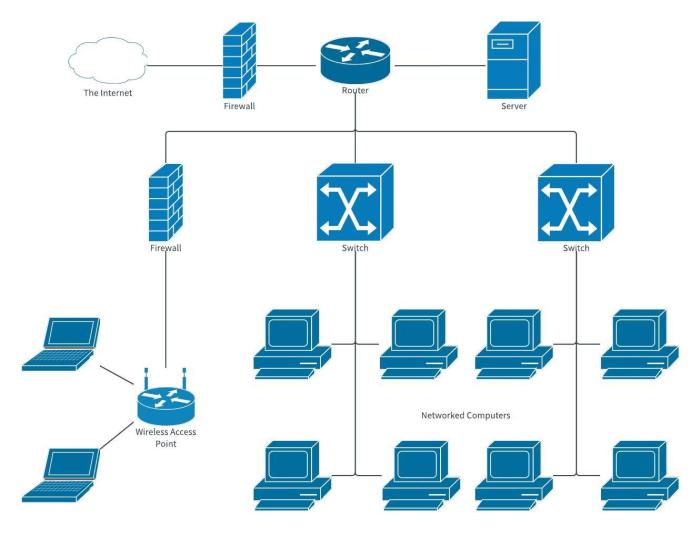
- Router: A router is essential for connecting devices within a network and to the internet, managing data traffic efficiently.
- Switch: Switches facilitate communication between devices on a network by forwarding data only to the intended recipient, improving network performance.
- Access Points: Access points enable wireless devices to connect to the network, extending the coverage of the network for increased accessibility.
- Firewall: Firewalls protect the network from external threats by monitoring and controlling incoming and outgoing network traffic.
Network Security
Network security is a crucial aspect for small businesses to safeguard their sensitive data, prevent cyber attacks, and ensure smooth operations.
Significance of Network Security Measures
- Implementing strong network security measures helps in protecting valuable business information from unauthorized access or data breaches.
- Enhances customer trust by ensuring the safety and confidentiality of their data.
- Prevents financial losses and potential legal consequences resulting from security breaches.
Common Security Threats Faced by Small Business Networks
-
Malware:
Malicious software designed to disrupt operations, steal data, or gain unauthorized access to the network.
-
Phishing Attacks:
Deceptive emails or messages aimed at tricking employees into revealing sensitive information or installing malware.
-
Weak Passwords:
Easily guessable passwords that make it easier for attackers to breach the network.
Best Practices for Securing a Small Business Network
- Regularly update software and systems to patch vulnerabilities and protect against emerging threats.
- Implement firewalls and encryption to secure network traffic and prevent unauthorized access.
- Train employees on cybersecurity best practices and the importance of strong password management.
Cloud Networking
Cloud networking solutions offer numerous benefits for small businesses looking to optimize their operations and enhance connectivity. By leveraging cloud-based services, small businesses can experience improved scalability, flexibility, and cost-effectiveness in managing their network infrastructure.
Benefits of Cloud Networking for Small Businesses
- Cost-Effective: Cloud networking eliminates the need for investing in expensive hardware and maintenance, reducing overall IT costs for small businesses.
- Scalability: Small businesses can easily scale their network resources up or down based on their needs, without the constraints of physical hardware limitations.
- Flexibility: Cloud networking allows for remote access to network resources, enabling employees to work from anywhere and promoting collaboration.
- Enhanced Security: Cloud networking providers often offer robust security measures to protect data and ensure compliance with industry regulations.
Comparison of Cloud Networking Providers for Small Businesses
- Amazon Web Services (AWS): Known for its reliability and vast array of cloud services, AWS offers scalable and secure networking solutions for small businesses.
- Microsoft Azure: With a focus on hybrid cloud solutions, Microsoft Azure provides seamless integration with existing IT infrastructure, making it a popular choice for small businesses.
- Google Cloud Platform: Offering innovative networking features and competitive pricing, Google Cloud Platform is ideal for small businesses looking to leverage advanced cloud technologies.
Enhancing Scalability and Flexibility with Cloud Networking
Cloud networking enables small businesses to adapt to changing business needs quickly and efficiently. By leveraging cloud-based resources, businesses can easily add or remove network services, allocate bandwidth as needed, and expand their operations without major infrastructure investments. This flexibility allows small businesses to stay agile and competitive in today’s fast-paced market environment.
Network Monitoring and Management
Network monitoring and management are crucial for small businesses to ensure the smooth operation of their network infrastructure and prevent costly downtime. By monitoring network traffic, performance, and security, businesses can proactively address issues and optimize their network for better efficiency.
Tools and Software for Monitoring Small Business Networks
- 1. Network Monitoring Software: Tools like SolarWinds, PRTG Network Monitor, and Nagios offer real-time monitoring of network devices, bandwidth utilization, and alerts for any anomalies.
- 2. Remote Monitoring and Management (RMM) Solutions: Platforms such as ConnectWise Automate and Kaseya VSA enable remote monitoring, patch management, and automation of network tasks.
- 3. Security Information and Event Management (SIEM) Tools: SIEM solutions like Splunk and IBM QRadar help in monitoring security events, detecting threats, and ensuring compliance with regulations.
Tips for Effective Network Management in Small Businesses
- Regular Monitoring: Consistently monitor network performance, security, and traffic to identify issues early and take proactive measures.
- Network Documentation: Maintain detailed documentation of network configurations, devices, and policies to facilitate troubleshooting and network upgrades.
- Implement Network Security Measures: Utilize firewalls, intrusion detection systems, and encryption to protect the network from cyber threats and unauthorized access.
- Network Segmentation: Divide the network into segments to improve performance, enhance security, and isolate potential issues.
- Regular Updates and Maintenance: Keep network devices and software up to date with patches and firmware upgrades to mitigate vulnerabilities and ensure optimal performance.
As we conclude our journey through the realm of networking solutions for small businesses, it becomes evident that investing in the right infrastructure, security measures, and cloud networking can significantly impact a small business’s bottom line. By implementing best practices and staying vigilant in monitoring and managing their networks, small businesses can stay ahead of the curve and adapt to the ever-evolving technological landscape.
Empower your business with the right networking solutions and witness the transformation it brings to your operations and success.
Common Queries
What are some common network security threats faced by small businesses?
Common network security threats include phishing attacks, ransomware, malware infections, and internal data breaches. Small businesses must implement robust security measures to mitigate these risks.
How can cloud networking enhance scalability for small businesses?
Cloud networking allows small businesses to scale their operations rapidly by providing on-demand resources and flexible payment models. This scalability enables businesses to adapt to changing needs efficiently.
What tools are recommended for monitoring small business networks?
Popular tools for monitoring small business networks include SolarWinds Network Performance Monitor, PRTG Network Monitor, and Nagios Core. These tools offer real-time insights into network performance and help in identifying potential issues proactively.