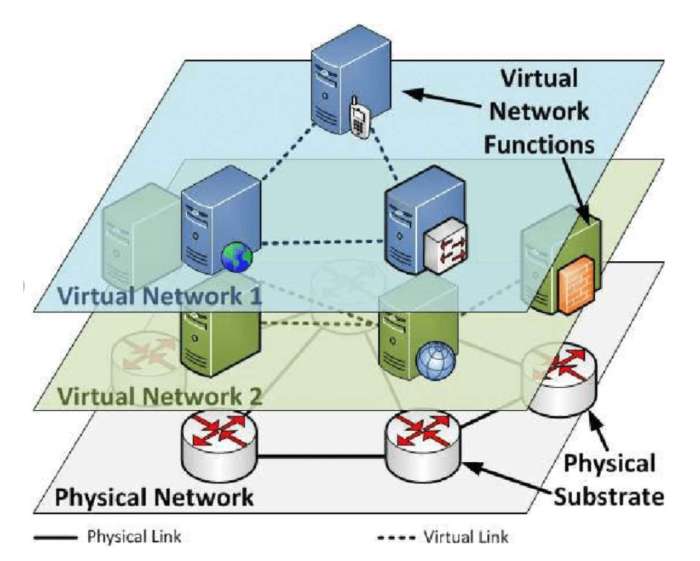
Virtual Networking Solutions sets the stage for this enthralling narrative, offering readers a glimpse into a story that is rich in detail and brimming with originality. From the concept of virtual networking to the challenges faced during implementation, this topic delves deep into the realm of modern connectivity solutions.
Virtual Networking Solutions

Virtual networking refers to the use of software-based network infrastructure to connect and manage resources, applications, and services. It allows for the creation of virtual networks that are independent of the physical hardware, enabling greater flexibility and scalability in networking operations.
Comparison with Traditional Networking Methods
- Traditional networking relies on physical hardware such as routers, switches, and cables, while virtual networking utilizes software-defined networking (SDN) and network function virtualization (NFV) technologies.
- Virtual networking offers centralized control and automation, simplifying network management and configuration compared to the manual setup required in traditional networking.
- Scalability is easier to achieve with virtual networking, as resources can be dynamically allocated and adjusted based on demand, unlike in traditional networking where physical infrastructure limitations may constrain scalability.
Key Benefits of Utilizing Virtual Networking Solutions
- Cost-effectiveness: Virtual networking reduces the need for expensive hardware investments and allows for efficient resource utilization.
- Flexibility: Virtual networks can be easily reconfigured and adapted to changing business needs without requiring physical changes.
- Improved performance: Virtual networking enables faster deployment of new services and applications, leading to enhanced network performance and responsiveness.
- Enhanced security: Virtual networking solutions offer advanced security features such as micro-segmentation and encryption to protect data and prevent unauthorized access.
Common Challenges Faced when Implementing Virtual Networking Solutions
- Integration issues: Integrating virtual networking solutions with existing network infrastructure can be complex and may require careful planning to ensure compatibility and seamless operation.
- Skill gap: Implementing virtual networking technologies often requires specialized knowledge and skills that may not be readily available within an organization, leading to potential challenges in implementation and maintenance.
- Performance concerns: Virtual networking solutions may face performance bottlenecks due to factors such as network congestion, latency, or inadequate hardware resources, requiring optimization and tuning for optimal performance.
Types of Virtual Networking Solutions
Virtual networking solutions encompass a range of technologies and approaches that enable the creation of efficient and scalable networks in a virtual environment. Let’s explore some key types of virtual networking solutions:
Software-Defined Networking (SDN)
Software-Defined Networking (SDN) is a paradigm that separates the network’s control plane from the data plane, allowing for centralized management and programmability of network devices. SDN plays a crucial role in virtual networking solutions by providing flexibility, automation, and improved network agility.
Network Functions Virtualization (NFV)
Network Functions Virtualization (NFV) involves decoupling network functions, such as firewalls, load balancers, and intrusion detection systems, from dedicated hardware appliances and running them as software on virtual machines. NFV contributes to virtual networking by increasing scalability, reducing costs, and accelerating the deployment of network services.
Virtual Private Network (VPN) Solutions
Virtual Private Network (VPN) solutions create secure and encrypted connections over public networks, allowing users to access private networks remotely. VPNs play a critical role in virtual networking by ensuring data confidentiality, integrity, and authentication for remote users and branch offices.
Cloud-Based Virtual Networking Solutions
Cloud-based virtual networking solutions leverage cloud infrastructure to provide scalable and flexible network services. Examples include Virtual Private Cloud (VPC) in cloud platforms like AWS, Azure, and Google Cloud, which enable users to create isolated virtual networks in the cloud environment for secure communication and resource management.
Implementing Virtual Networking Solutions
Setting up a virtual network requires careful planning and configuration to ensure optimal performance. Below are the steps for implementing virtual networking solutions:
Steps for Setting Up a Virtual Network
- Choose a virtualization platform: Select a virtualization platform that best suits your needs, such as VMware, Hyper-V, or VirtualBox.
- Create virtual machines: Set up virtual machines within the virtualization platform and allocate resources accordingly.
- Configure network settings: Define the network topology, IP addressing, and subnetting for the virtual network.
- Establish connectivity: Connect the virtual machines to the virtual network and ensure proper communication between them.
- Implement security measures: Set up firewalls, access controls, and encryption to secure the virtual network from external threats.
Best Practices for Configuring Virtual Networking Solutions
- Use VLANs: Segment the virtual network using VLANs to improve performance and security.
- Implement QoS: Prioritize network traffic by implementing Quality of Service (QoS) policies to ensure critical applications receive the necessary bandwidth.
- Monitor network traffic: Utilize network monitoring tools to track performance metrics and identify potential bottlenecks or issues.
- Regularly update software: Keep virtualization software and networking components up to date to patch vulnerabilities and improve compatibility.
Optimizing Performance in a Virtual Networking Environment
- Allocate resources appropriately: Ensure virtual machines have sufficient resources allocated to prevent performance degradation.
- Optimize network configurations: Fine-tune network settings, such as MTU size and latency, to enhance network performance.
- Utilize load balancing: Implement load balancing techniques to distribute network traffic evenly across virtual machines and servers.
Tips for Troubleshooting Common Issues in Virtual Networking
- Check network connectivity: Verify network connections and address any configuration errors or issues with connectivity.
- Review logs: Analyze network logs to identify errors, warnings, or anomalies that may indicate underlying problems.
- Isolate the issue: Narrow down the scope of the problem by testing individual components to pinpoint the root cause of the networking issue.
- Consult documentation: Refer to vendor documentation, forums, or support resources for guidance on resolving common networking issues.
Networking Solutions
Networking solutions in the context of IT infrastructure refer to the various technologies and strategies used to connect and manage devices within a network. These solutions are essential for enabling communication, data sharing, and resource access in an efficient and secure manner.
Hardware-based vs. Software-based Networking Solutions
Hardware-based networking solutions involve physical devices such as routers, switches, and cables to facilitate network connections. On the other hand, software-based networking solutions rely on virtualization and software-defined networking (SDN) to create and manage network resources. While hardware-based solutions offer high performance and reliability, software-based solutions provide flexibility and scalability.
Importance of Scalability in Choosing Networking Solutions
Scalability is crucial when selecting networking solutions as it determines the network’s ability to accommodate growth in terms of users, devices, and data traffic. Scalable solutions can easily adapt to changing demands without requiring extensive reconfigurations or replacements, ensuring long-term efficiency and cost-effectiveness.
Role of Automation in Modern Networking Solutions
Automation plays a significant role in modern networking solutions by streamlining network management tasks, improving efficiency, and reducing human errors. Through automation tools and technologies like network orchestration and configuration management, organizations can automate routine processes, optimize network performance, and enhance overall productivity.
In conclusion, Virtual Networking Solutions present a dynamic landscape of opportunities and challenges in the realm of digital connectivity. With the right approach and understanding, organizations can harness the power of virtual networking to streamline operations and enhance productivity in today’s fast-paced world.
Query Resolution
What are the key benefits of virtual networking solutions?
Virtual networking solutions offer increased flexibility, scalability, and cost-effectiveness compared to traditional methods.
How do you optimize performance in a virtual networking environment?
Optimizing performance involves monitoring network traffic, ensuring proper resource allocation, and implementing quality of service (QoS) measures.
What is the role of automation in modern networking solutions?
Automation streamlines network management tasks, improves efficiency, and reduces human errors in the configuration and maintenance of networks.