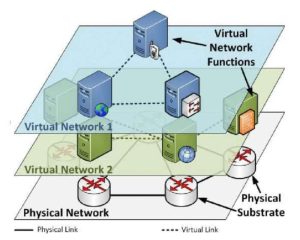
Embark on a journey into the realm of Network Management Solutions, where the intricacies of efficient network management and enhanced security converge to optimize performance.
Explore the fundamental components, diverse types, compelling benefits, and best practices that define this essential aspect of modern networking.
Introduction to Network Management Solutions
Network management solutions refer to the set of tools, processes, and technologies used to efficiently monitor, optimize, and maintain a computer network. These solutions play a crucial role in ensuring the smooth operation and security of network infrastructures.
Importance of Efficient Network Management
Efficient network management is essential for businesses and organizations to maintain optimal network performance, ensure data security, and minimize downtime. By effectively managing networks, companies can improve productivity, reduce costs, and enhance overall operational efficiency.
Common Challenges in Network Management
- Inadequate Network Visibility: Limited visibility into network traffic and devices can make it challenging to identify and address issues promptly.
- Security Threats: With the increasing frequency and complexity of cyber threats, network management solutions need to prioritize security measures to protect sensitive data.
- Scalability Issues: As networks grow in size and complexity, managing scalability becomes a significant challenge for network administrators.
- Resource Constraints: Limited resources, such as budget and skilled personnel, can hinder effective network management practices.
Components of Network Management Solutions
Network management solutions consist of various essential components that work together to ensure the smooth operation and efficiency of a network.
1. Network Monitoring Tools
- Network monitoring tools continuously track the performance and availability of network devices and applications.
- They provide real-time data on network traffic, bandwidth usage, and device status, helping identify and troubleshoot issues promptly.
2. Configuration Management
- Configuration management tools automate the process of configuring and updating network devices, ensuring consistency and adherence to predefined standards.
- They help manage device configurations, change control, and compliance, reducing human errors and enhancing network security.
3. Performance Management
- Performance management tools analyze network performance metrics, such as latency, packet loss, and throughput, to optimize network resources and improve user experience.
- They enable proactive monitoring, capacity planning, and performance tuning to maintain network efficiency and reliability.
4. Fault Management
- Fault management tools detect, isolate, and resolve network faults and abnormalities to minimize downtime and service disruptions.
- They provide alerts, notifications, and automated responses to ensure quick fault resolution and maintain network availability.
5. Security Management
- Security management tools protect the network from cyber threats, unauthorized access, and data breaches through firewalls, intrusion detection systems, and encryption mechanisms.
- They enforce security policies, monitor network traffic for suspicious activities, and ensure compliance with regulatory requirements.
Types of Network Management Solutions
Network management solutions come in various types to cater to different needs and requirements of organizations. Understanding the different types can help businesses choose the most suitable solution for their network infrastructure.
Cloud-based Network Management Solutions
Cloud-based network management solutions are hosted on remote servers and accessed through the internet. They offer the advantage of scalability, as organizations can easily adjust resources based on their needs. These solutions are also known for their flexibility, allowing users to access network management tools from anywhere with an internet connection.
On-premise Network Management Solutions
On-premise network management solutions, on the other hand, are installed and maintained locally within an organization’s network infrastructure. These solutions provide better control over data and security, as all information is stored on-site. However, they may require more resources and expertise to manage effectively.
Scalability and Flexibility of Network Management Solutions
When it comes to scalability, cloud-based solutions have the upper hand as they can easily accommodate growth and changes in network requirements without the need for additional hardware. On-premise solutions, while offering more control, may require hardware upgrades to scale effectively.
In terms of flexibility, cloud-based solutions allow for remote access and management, making them ideal for organizations with distributed teams or multiple locations. On-premise solutions, while secure, may limit access to network management tools to on-site personnel only.
Benefits of Implementing Network Management Solutions
Implementing network management solutions offers various key benefits that can significantly enhance the overall functionality and security of a network.
Enhanced Network Security
Network management solutions play a crucial role in enhancing network security by providing real-time monitoring, threat detection, and response capabilities. These solutions help in identifying and mitigating security vulnerabilities, preventing unauthorized access, and ensuring data confidentiality and integrity.
Improved Network Performance
By efficiently managing network resources, network management solutions help in optimizing network performance. These solutions enable network administrators to monitor network traffic, identify bottlenecks, and troubleshoot performance issues promptly, ensuring a smooth and seamless network operation.
Enhanced Network Reliability
Network management solutions contribute to enhancing network reliability by proactively monitoring network devices, detecting potential failures, and implementing necessary preventive measures. This proactive approach helps in minimizing network downtime, ensuring continuous availability, and improving overall network reliability.
Best Practices for Implementing Network Management Solutions
Implementing network management solutions can be a complex process, but following best practices can help ensure the success of your network management efforts. Here are some tips for effectively implementing network management solutions:
Importance of Monitoring and Analyzing Network Data
Monitoring and analyzing network data is crucial for maintaining a healthy network infrastructure. By regularly monitoring network performance metrics and analyzing data, you can proactively identify issues before they escalate into major problems. This allows you to take preventive measures and optimize network performance. Utilize tools like network monitoring software to track network traffic, bandwidth usage, and other key metrics in real-time.
Strategies for Troubleshooting Network Issues Using Management Solutions
When troubleshooting network issues, network management solutions can be invaluable for identifying the root cause of problems quickly and efficiently. Use network diagnostic tools to pinpoint the source of network disruptions, such as connectivity issues, bandwidth bottlenecks, or configuration errors. Implement a systematic approach to troubleshooting, starting with basic checks and gradually escalating to more advanced troubleshooting techniques if necessary.
Regularly update network management software and firmware to ensure access to the latest features and security patches.
Networking Solutions
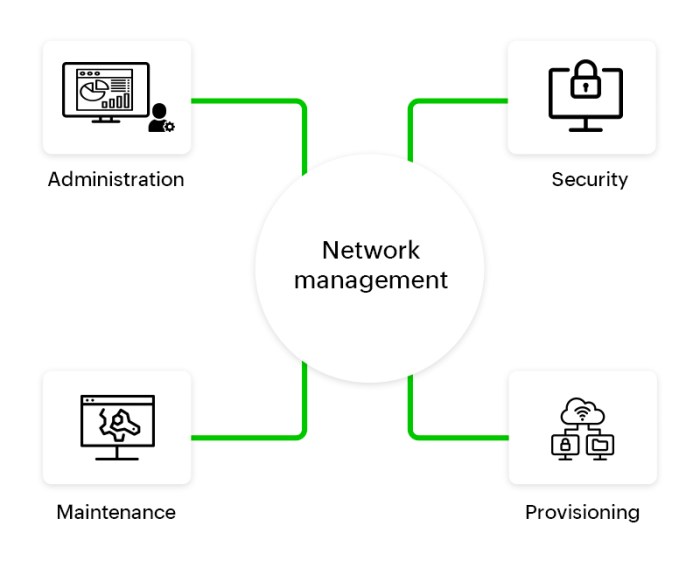
Networking solutions refer to the various technologies, software, and services that help organizations manage and optimize their network infrastructure. These solutions are designed to improve network performance, security, and reliability.
Comparison with Network Management Solutions
Network management solutions focus on monitoring, analyzing, and troubleshooting network performance and issues. On the other hand, networking solutions encompass a broader range of tools and technologies that not only manage network operations but also enhance connectivity, communication, and collaboration within the network.
Contribution to Overall Network Performance
Networking solutions play a crucial role in enhancing overall network performance and efficiency. By implementing advanced networking technologies such as virtualization, SD-WAN, cloud networking, and IoT integration, organizations can achieve higher bandwidth, lower latency, improved scalability, and better security for their networks. These solutions also enable seamless integration of new devices, applications, and services, leading to a more agile and responsive network infrastructure.
In conclusion, Network Management Solutions stand as a cornerstone in ensuring seamless network operations, bolstered security measures, and enhanced performance for organizations striving for excellence in the digital landscape.
Common Queries
What are the key components of Network Management Solutions?
The essential components include monitoring tools, network performance analyzers, configuration management, and security protocols.
How do Network Management Solutions impact network performance?
Implementing these solutions can lead to optimized network performance through efficient monitoring, troubleshooting, and data analysis.
What distinguishes cloud-based from on-premise Network Management Solutions?
Cloud-based solutions offer scalability and accessibility, while on-premise solutions provide greater control and security over network management.