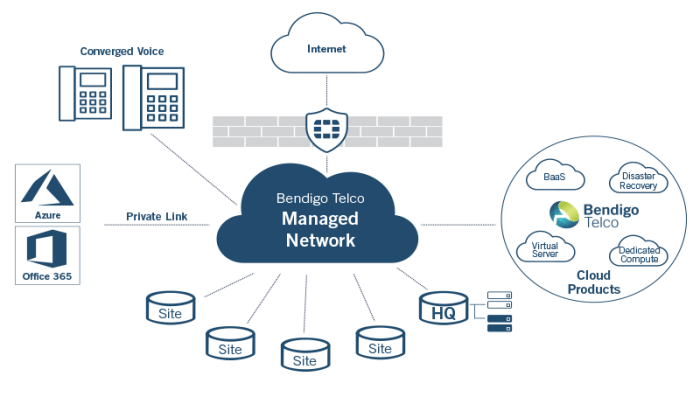
In today’s interconnected world, a robust and reliable network is paramount for business success. Managed networking solutions offer a compelling alternative to managing your IT infrastructure in-house, providing businesses of all sizes with access to expert support, advanced security measures, and scalable solutions tailored to their specific needs. This exploration delves into the multifaceted world of managed networking, examining its core components, benefits, and the crucial considerations involved in selecting the right provider.
From understanding the various service levels and comparing different providers to navigating the complexities of network infrastructure and security, this overview aims to equip you with the knowledge needed to make informed decisions about your organization’s networking strategy. We’ll examine how managed networking enhances network security, boosts IT team efficiency, and ultimately contributes to a more productive and secure business environment.
Defining Managed Networking Solutions
Managed networking solutions encompass the outsourcing of an organization’s network infrastructure management to a third-party provider. This relieves internal IT teams of the burden of day-to-day network operations, allowing them to focus on strategic initiatives. The core benefit lies in improved efficiency, reduced costs, and enhanced network reliability.
Core components of managed networking solutions typically include network monitoring, security management, proactive maintenance, and help desk support. Providers offer varying levels of service, tailoring solutions to specific client needs and budgets. This often involves a combination of hardware, software, and expertise, all designed to optimize network performance and uptime.
Core Components of Managed Networking Solutions
Managed networking solutions are built upon several key pillars. These components work together to provide comprehensive network management and support. A lack in any one area can significantly impact the overall effectiveness of the solution.
- Network Monitoring: Real-time monitoring of network performance, identifying potential issues before they impact users. This includes bandwidth utilization, latency, and error rates.
- Security Management: Implementation and management of security protocols, such as firewalls, intrusion detection/prevention systems, and VPNs, to protect the network from threats.
- Proactive Maintenance: Scheduled maintenance tasks and upgrades to prevent outages and ensure optimal network performance. This often includes firmware updates and hardware replacements.
- Help Desk Support: Providing technical assistance to users experiencing network issues. This can range from basic troubleshooting to advanced technical support.
Service Levels in Managed Networking
Managed service providers (MSPs) typically offer tiered service levels, each with a different level of support and response times. Choosing the right level depends on the organization’s criticality of network uptime and budget constraints.
- Basic Service: Provides fundamental network monitoring and support, with longer response times for issue resolution.
- Standard Service: Offers enhanced monitoring, faster response times, and proactive maintenance.
- Premium Service: Includes 24/7 support, prioritized response times, and comprehensive proactive maintenance, often with guaranteed uptime SLAs.
Comparison of Managed Networking Solution Providers
The market for managed networking solutions is competitive, with a variety of providers offering different features and pricing models. Careful consideration of individual business needs is crucial when selecting a provider. Factors such as network size, complexity, and required service levels all influence the choice.
| Provider Name | Core Features | Pricing Model | Customer Support |
|---|---|---|---|
| Provider A (Example: Acme Networks) | Network monitoring, security management, basic help desk support | Subscription-based, tiered pricing | Phone and email support, limited 24/7 availability |
| Provider B (Example: Beta Solutions) | Comprehensive network monitoring, advanced security features, proactive maintenance, 24/7 support | Subscription-based, customized pricing | 24/7 phone, email, and chat support, with dedicated account manager |
| Provider C (Example: Gamma Technologies) | Network monitoring, basic security, limited proactive maintenance, standard business hours support | Subscription-based, fixed pricing | Phone and email support during business hours |
Ultimately, the decision to adopt managed networking solutions represents a strategic investment in your business’s future. By leveraging the expertise of a managed service provider, organizations can significantly reduce operational overhead, enhance security posture, and focus on their core competencies. Careful consideration of your specific needs, a thorough evaluation of potential providers, and a clear understanding of the various service models available will pave the way for a seamless transition and a more efficient, secure, and scalable network infrastructure.
Commonly Asked Questions
What is the typical contract length for managed networking services?
Contract lengths vary, typically ranging from one to three years, but shorter-term options are often available.
How much does managed networking typically cost?
Pricing is highly variable and depends on factors like network size, required services, and the provider. Expect a range of options to fit different budgets.
What happens if my network experiences a major outage?
Reputable providers offer robust service level agreements (SLAs) with guaranteed response times and recovery procedures for network outages.
Can I integrate my existing network equipment with a managed solution?
Most providers can integrate existing equipment, though some may recommend upgrades for optimal performance and security.
What level of technical expertise is required from my in-house IT team?
The level of involvement varies depending on the service agreement. Some solutions require minimal in-house expertise, while others may involve collaborative management.


