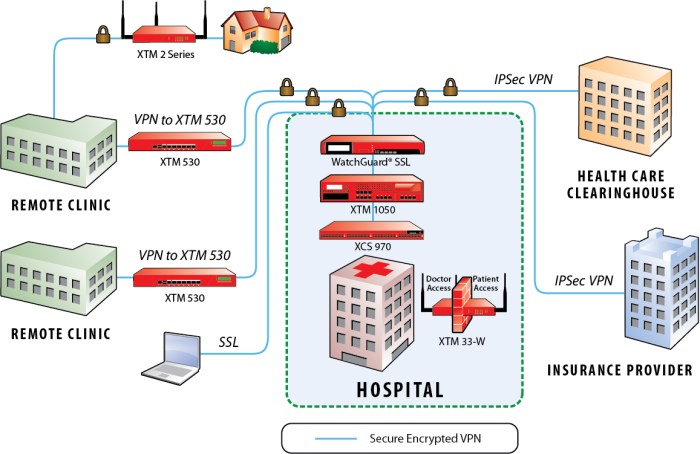
Embark on a journey into the realm of Networking Solutions for Healthcare, where seamless connectivity and robust security measures take center stage, revolutionizing the way healthcare facilities operate and safeguard sensitive data.
As we delve deeper, explore the intricacies of different networking solutions, implementation strategies, and the critical role they play in ensuring optimal performance within healthcare settings.
Networking Solutions
In the healthcare industry, networking solutions refer to the technology and infrastructure that enable communication and data sharing among various devices, systems, and stakeholders within healthcare facilities. These solutions play a crucial role in ensuring smooth operations, efficient patient care, and secure data management.
Importance of Robust Networking Solutions
- Facilitate seamless communication: Robust networking solutions allow healthcare professionals to access and share critical information in real-time, enhancing collaboration and decision-making.
- Ensure data security: With the increasing digitization of healthcare records, strong networking solutions are essential to safeguard sensitive patient data from cyber threats and breaches.
- Support telemedicine and remote monitoring: Reliable networks enable the delivery of telemedicine services and remote patient monitoring, expanding access to healthcare services and improving patient outcomes.
- Enhance operational efficiency: Efficient networking solutions streamline administrative processes, reduce delays, and optimize resource utilization in healthcare settings.
Challenges Without Effective Networking Solutions
- Interoperability issues: Without robust networking solutions, healthcare organizations may struggle with incompatible systems and devices, hindering the seamless exchange of data.
- Downtime and disruptions: Inadequate network infrastructure can lead to downtime, system failures, and disruptions in service delivery, impacting patient care and operational efficiency.
- Security vulnerabilities: Weak networking solutions increase the risk of data breaches, unauthorized access, and compliance violations, posing a threat to patient privacy and organizational reputation.
- Limited scalability: Without scalable networking solutions, healthcare facilities may face challenges in accommodating growth, adopting new technologies, and meeting evolving needs.
Types of Networking Solutions
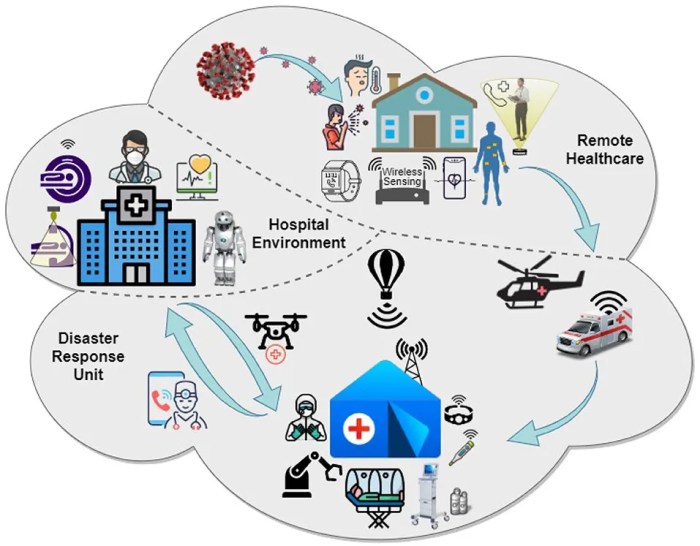
In healthcare settings, various types of networking solutions are utilized to ensure seamless communication and data sharing. These solutions play a crucial role in enhancing patient care, streamlining operations, and improving overall efficiency within healthcare facilities.
Wired Networking Solutions
Wired networking solutions involve the use of physical cables to establish connections between devices. In healthcare, wired networks are commonly used for critical systems that require high levels of security and reliability. Examples of networking hardware used in wired solutions include Ethernet cables, routers, switches, and hubs. These devices form the backbone of the network infrastructure, facilitating the transmission of data between different departments, medical devices, and administrative systems.
Wireless Networking Solutions
Wireless networking solutions, on the other hand, rely on radio waves to establish connections between devices without the need for physical cables. While wireless networks offer greater flexibility and mobility, they may be more susceptible to interference and security risks compared to wired networks. In healthcare settings, wireless solutions are often used for mobile devices, patient monitoring systems, and guest access networks.
Common examples of wireless networking hardware include wireless access points, antennas, and network adapters.Overall, both wired and wireless networking solutions play a vital role in ensuring efficient communication and data exchange within healthcare settings. By leveraging the right mix of networking hardware and software, healthcare organizations can create a robust and secure network infrastructure that supports their operational needs and enhances the delivery of patient care.
Implementing Networking Solutions
Implementing networking solutions in healthcare facilities is a crucial process that requires careful planning and execution to ensure seamless integration and optimal performance. Below are the key steps involved in implementing networking solutions for healthcare facilities:
Assessment of Current Infrastructure
- Conduct a thorough assessment of the existing network infrastructure to identify any weaknesses or areas that need improvement.
- Take stock of the hardware, software, and network devices currently in use to determine compatibility with the new networking solutions.
Planning and Design
- Develop a detailed plan and design for the new networking solutions, taking into account the specific needs and requirements of the healthcare facility.
- Consider factors such as security, scalability, and reliability when designing the new network architecture.
Implementation and Deployment
- Carefully implement the new networking solutions according to the planned design, ensuring minimal disruption to daily operations.
- Deploy the necessary hardware and software components and configure them to work seamlessly within the healthcare environment.
Testing and Optimization
- Thoroughly test the new networking solutions to identify and address any issues or performance bottlenecks.
- Optimize the network settings and configurations to ensure maximum efficiency and reliability.
Training and Maintenance
- Provide training to staff members on how to use and maintain the new networking solutions effectively.
- Establish a regular maintenance schedule to monitor and update the network infrastructure to keep it running smoothly.
Security in Networking Solutions
In healthcare networking solutions, security measures play a crucial role in safeguarding sensitive patient data and ensuring compliance with regulations.
Importance of Security Measures
- Encryption: Utilized to encode data and prevent unauthorized access, ensuring confidentiality.
- Secure Protocols: Implementing protocols like SSL/TLS for secure data transmission over networks.
- Access Control: Restricting access to authorized personnel only, reducing the risk of data breaches.
Utilization of Encryption and Secure Protocols
-
Encryption
is used to protect patient records, payment information, and other sensitive data from potential cyber threats.
- Secure protocols like SSL/TLS ensure that data is transmitted securely between devices and servers, minimizing the risk of interception.
Role of Compliance Regulations
- Compliance regulations such as HIPAA and GDPR shape security practices by setting standards for data protection and privacy in healthcare.
- Regulations mandate the implementation of security measures like encryption and access controls to safeguard patient information.
In conclusion, Networking Solutions for Healthcare offer a transformative approach to connectivity and security, paving the way for enhanced efficiency, streamlined operations, and fortified data protection in the ever-evolving landscape of healthcare technology.
FAQ Resource
How do networking solutions benefit healthcare facilities?
Networking solutions facilitate seamless communication, data sharing, and access to critical information, ultimately enhancing operational efficiency within healthcare organizations.
What are the key differences between wired and wireless networking solutions in healthcare?
Wired solutions offer greater reliability and security, while wireless solutions provide flexibility and scalability to meet the dynamic demands of healthcare environments.
How do compliance regulations influence security practices in healthcare networking solutions?
Compliance regulations set the standards for data protection and privacy, guiding healthcare organizations in implementing robust security measures to safeguard sensitive patient information.


