Embark on a journey into the world of SD-WAN Networking Solutions, where innovation meets efficiency to transform the way businesses connect and operate in the digital landscape.
Explore the essence of SD-WAN technology, its impact on network performance, and the seamless integration of security features for a robust networking solution.
SD-WAN Networking Solutions
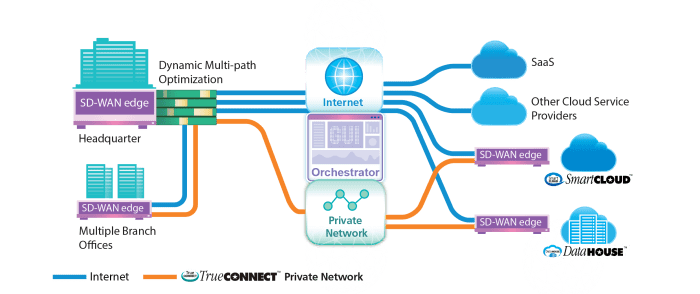
SD-WAN, or Software-Defined Wide Area Network, is a technology that simplifies the management and operation of a wide area network by separating the networking hardware from its control mechanism. This allows for centralized control of network traffic and the use of software to prioritize and route data more efficiently.
Benefits of Implementing SD-WAN Solutions
- Improved network performance and reliability through dynamic path selection
- Cost savings by utilizing multiple connection types and reducing reliance on expensive MPLS lines
- Enhanced security features such as encryption and segmentation to protect data
- Increased scalability to accommodate the growing demands of a business
Comparison with Traditional WAN Solutions
- Performance: SD-WAN offers better performance by optimizing traffic flow and reducing latency compared to traditional WAN solutions.
- Scalability: SD-WAN is more scalable as it can easily adapt to changes in network requirements without significant hardware upgrades.
Companies and Industries Adopting SD-WAN Solutions
- Retail: Large retail chains like Starbucks have implemented SD-WAN to ensure reliable connectivity across all their stores.
- Finance: Financial institutions such as banks use SD-WAN to securely connect multiple branches and provide fast and secure transactions.
- Healthcare: Hospitals and healthcare providers rely on SD-WAN to ensure seamless communication between different locations and maintain data security.
Key Components of SD-WAN
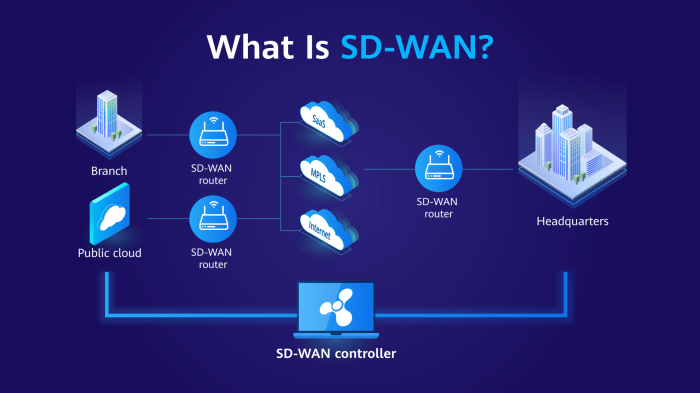
SD-WAN networks consist of several key components that work together to optimize network performance and enhance security.
SD-WAN Components:
- Edge Routers: These are deployed at branch offices and serve as the entry and exit point for network traffic.
- SD-WAN Controller: Centralized management platform that orchestrates network traffic flow and enforces policies.
- Transport Layer: Utilizes multiple connection types such as MPLS, broadband, LTE to ensure efficient data transfer.
- Virtual Overlay Network: Creates a secure tunnel for data transmission, enabling traffic to bypass congestion points.
- Security Features: Includes encryption, firewall, and threat detection mechanisms to safeguard data in transit.
Optimization of Network Traffic:
SD-WAN technology employs intelligent routing algorithms to dynamically steer traffic based on real-time network conditions. This ensures that critical applications receive priority, leading to improved performance and reduced latency.
Role of Security Features:
Security is a critical aspect of SD-WAN solutions, with built-in features such as encryption, next-generation firewalls, and intrusion prevention systems. These mechanisms protect data from cyber threats and ensure compliance with regulatory requirements.
Comparison of SD-WAN Vendors:
- Cisco SD-WAN: Offers a comprehensive solution with advanced security features and seamless integration with existing Cisco infrastructure.
- Versa Networks: Known for its multi-tenancy support and flexible deployment options, catering to diverse business needs.
- Silver Peak: Focuses on WAN optimization and high-performance connectivity, ideal for bandwidth-intensive applications.
- VMware NSX SD-WAN by VeloCloud: Emphasizes cloud-native architecture and scalability, enabling businesses to adapt to evolving network demands.
Implementation and Deployment
Implementing and deploying an SD-WAN solution involves several key steps to ensure a successful integration into existing network infrastructures. By following best practices and learning from successful case studies, organizations can simplify network management and monitoring through SD-WAN technology.
Steps in Deploying an SD-WAN Solution
- Assessment and Planning: Evaluate current network infrastructure and identify areas where SD-WAN can provide the most benefit.
- Design and Configuration: Create a detailed design plan for the SD-WAN deployment, considering factors like bandwidth requirements, security protocols, and application performance.
- Testing and Validation: Conduct thorough testing to ensure the SD-WAN solution operates as intended and meets performance expectations.
- Deployment and Migration: Implement the SD-WAN solution in a phased approach, migrating network traffic gradually to minimize disruptions.
- Monitoring and Optimization: Continuously monitor the SD-WAN network, making adjustments as needed to optimize performance and efficiency.
Best Practices for Integrating SD-WAN
- Collaborate with key stakeholders to align business goals with SD-WAN objectives.
- Ensure proper training for IT staff to effectively manage and troubleshoot the SD-WAN solution.
- Implement security measures to protect data and maintain compliance with industry regulations.
- Regularly review and update network policies to adapt to changing business needs and technology advancements.
Case Study of Successful SD-WAN Implementation
Company X, a multinational corporation, implemented SD-WAN to connect its global offices and improve network performance. By leveraging SD-WAN technology, Company X reduced network latency, enhanced application delivery, and achieved cost savings through optimized bandwidth utilization.
Network Management with SD-WAN
- Centralized Control: SD-WAN simplifies network management by providing a centralized platform for configuring and monitoring network traffic.
- Dynamic Path Selection: SD-WAN automatically selects the most efficient network path based on real-time performance metrics, improving application performance.
- Enhanced Visibility: With detailed analytics and reporting, IT teams can gain insights into network traffic patterns and performance, facilitating informed decision-making.
Networking Solutions
In the context of IT infrastructure, networking solutions refer to the various technologies and strategies implemented to connect devices, systems, and users within a network. These solutions play a crucial role in ensuring communication, data transfer, and resource sharing across an organization.
Different Types of Networking Solutions
There are several types of networking solutions available in the market, each catering to specific needs and requirements. Some common types include:
- LAN (Local Area Network): Connects devices within a limited geographical area, such as an office building or campus.
- WAN (Wide Area Network): Spans over a larger geographical area and connects multiple LANs.
- VPN (Virtual Private Network): Offers secure remote access to a private network over a public network like the internet.
- MPLS (Multiprotocol Label Switching): Provides a reliable and secure way to transmit data between different locations.
Comparison with SD-WAN
When comparing SD-WAN with other networking solutions like MPLS or VPN, SD-WAN stands out for its agility, cost-effectiveness, and flexibility. Unlike traditional solutions, SD-WAN leverages software-defined networking to optimize traffic flow and improve connectivity.
Impact on Business Agility and Efficiency
Networking solutions play a critical role in enhancing business agility and efficiency by enabling seamless communication, faster data transfer, and improved collaboration among teams. With the right networking solution in place, organizations can adapt quickly to changing business needs and scale their operations efficiently.
In conclusion, SD-WAN Networking Solutions offer a glimpse into the future of networking, enhancing agility, scalability, and security to propel businesses towards success in the ever-evolving technological realm.
FAQ Compilation
What makes SD-WAN stand out from traditional WAN solutions?
SD-WAN offers superior performance, scalability, and cost-efficiency compared to traditional WAN setups.
How does SD-WAN simplify network management?
SD-WAN streamlines network management through centralized control and automation, reducing complexity and enhancing efficiency.
Can SD-WAN solutions be seamlessly integrated into existing network infrastructures?
Yes, SD-WAN solutions are designed to easily integrate with existing network setups, ensuring a smooth transition and minimal disruption.
What impact do networking solutions like SD-WAN have on business agility?
Networking solutions like SD-WAN enhance business agility by providing flexibility, scalability, and improved performance, enabling organizations to adapt swiftly to changing requirements.